In the corporate market, extensive entitlement policies, especially in the structures of multi-entity, territorially dispersed corporations, are the order of the day. A good example is insurance companies that carry out property and life insurance in separate entities. When implementing an application for such organizations, the challenge is to build a solution in a single business model that takes into account the requirements of multi-entity, the diversity of complex structures and a high level of security. Therefore, in our low-code platform, we have implemented an attribute-based permission model — ABAC (Attribute Base Access Control).
In Meltemee, access control is based on attributes - a set of characteristics assigned to the user, process and resources:
In general, ABAC has a much larger number of possible control variables than the role base access control (RBAC) system often found in competing solutions. ABAC reduces the risk of unauthorized access because it can control security and access on a more detailed basis than RBAC, in case context, process step, user privilege level, resource significance level, decision, etc.
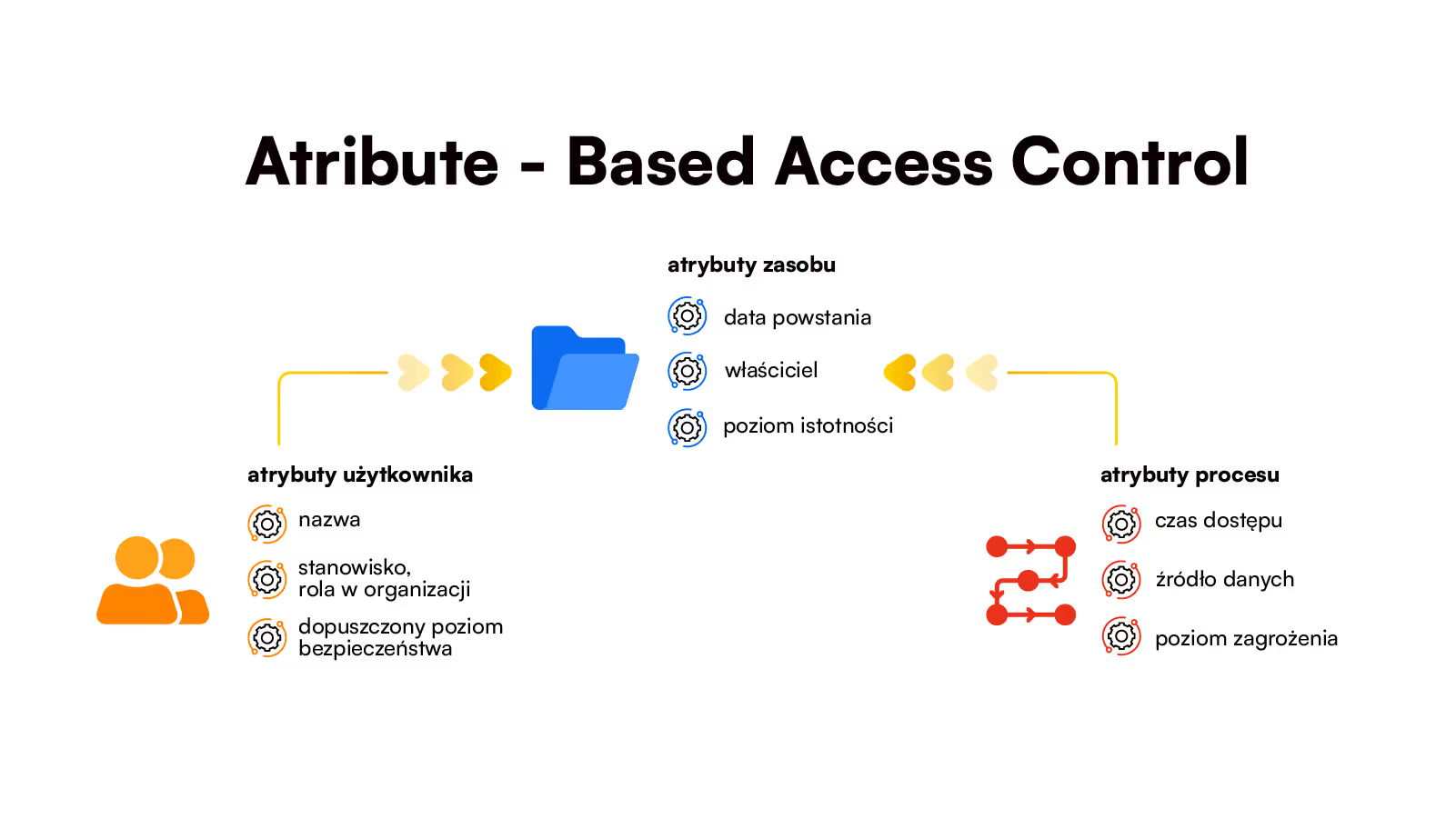
For example, in the HR role, instead of providing unrestricted access to employee and salary information, ABAC may — in accordance with the organization's policy — introduce additional restrictions, such as allowing access only at certain times or only in selected branches, relevant to the employee. The ABAC privilege mechanism in our low-code platform enables the implementation of extensive entitlement policies, improves the security of resources and processes, and can help with a security audit.
One of the low-code applications on the Meltemee platform in which we use ABAC mechanisms is Months.pro.
The application is intended for manufacturing companies.
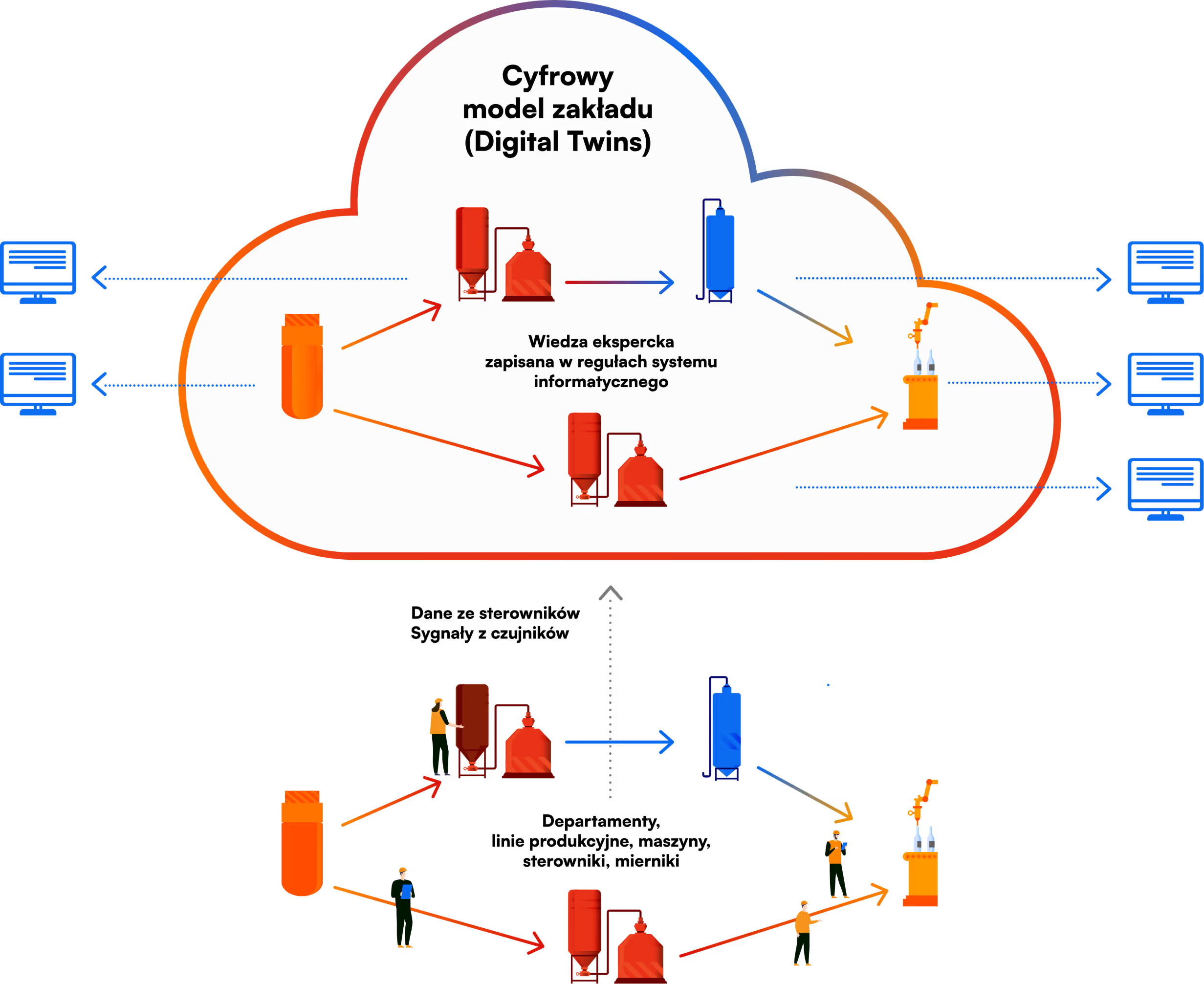
The application supports the possibility of independent expansion and modification of the digital model of the plant (Digital Twins) by the customer's employees. By implementing MES.pro, the customer receives a solution that can be updated and adapted to the current production process, controllers and sensors installed in the production lines and user expectations at any time with the help of Meltemee graphical environment.